After breakfast, I went out for a stroll at Yuelu Academy. After all, it's one of the four most famous academies in the world, and I was already there.
I've long been puzzled by the purpose of those famous academies in ancient times. Many people think they taught students the Four Books and Five Classics and helped them pass exams to become officials. That's not the case. For example, Yuelu Academy didn't teach students to take the imperial examinations; in the Qing Dynasty, its admission requirement was that students had already passed the county-level examination (xiucai).
The imperial examination for the title of Xiucai (a scholar who passed the lowest level of the imperial examinations) in the Qing Dynasty was extremely difficult, roughly equivalent to the difficulty of obtaining a degree from a top-tier university today. Zeng Guofan took the exam seven times before finally passing. Therefore, Yuelu Academy was not an exam preparation institution; it specifically recruited social elites who were already well-educated to receive a deeper level of intellectual and intellectual education.
If we were to compare them horizontally to contemporary institutions, the closest might be Peking University's Yuanpei College, Tsinghua University's Boya College, and the Department of Philosophy at Taipei University. Their characteristics were that they didn't require certifications, specialized skills training, or consideration of employment; students primarily studied history, philosophy, logic, and political thought. The students at these academies were mainly scions of prominent families and aristocratic elites, with the goal of cultivating great talents for governing the world.
Ordinary people at the bottom of society don't have the time or inclination to attend such superficial classes. Of course, even if you wanted to get into this circle, you wouldn't have the means; the class barrier is there.
Yuelu Academy has produced many famous figures throughout history. Zhu Xi and Wang Yangming once lectured there, and its students included prominent figures such as Zeng Guofan, Zuo Zongtang, Liu Kunyi, and Cai E. Runzhi is often mentioned in local publicity, but he was not a formal student. He stayed at Yuelu Academy for a year because he was appreciated by his teacher Yang Changji.
As an aside, Yang Changji passed away in early 1920, and Runzhi married Yang Kaihui at the end of 1920 , so Yang Changji did not become the father-in-law of his beloved student during his lifetime.
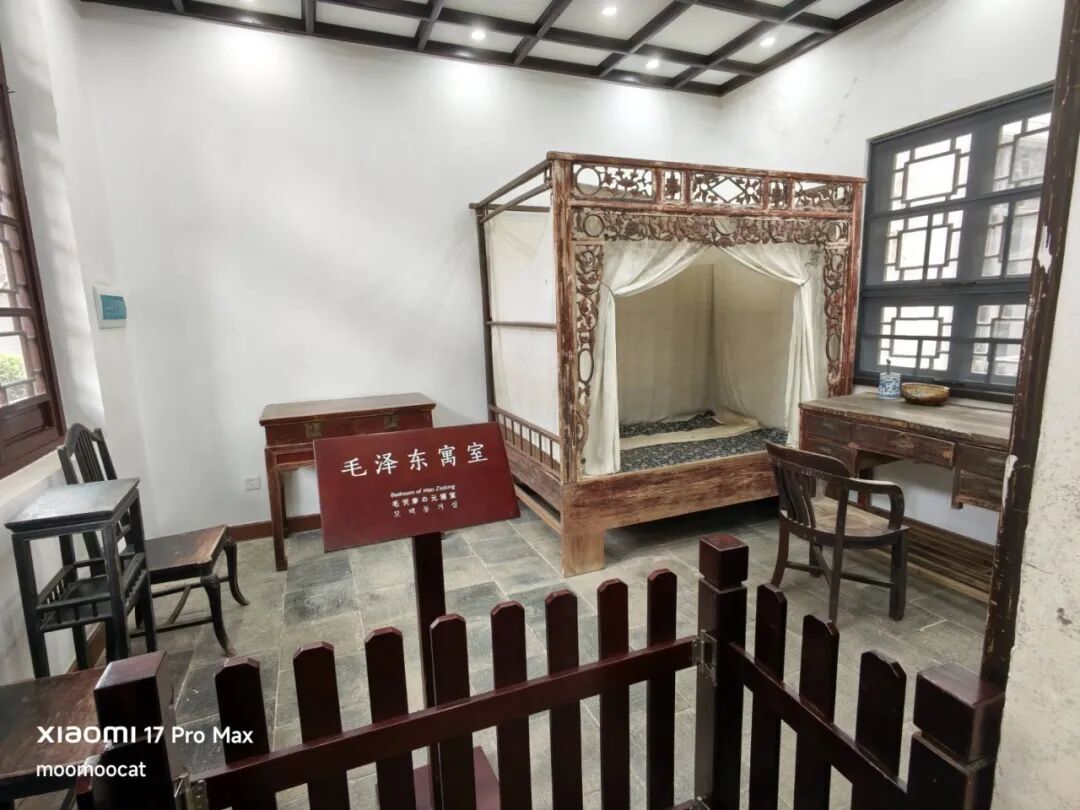
The scenic area has recreated the room where Runzhi (a famous Chinese writer) stayed. The furniture is a replica; the originals are long gone. The guide lamented, "Who could have imagined that a young student who stayed there would become the founding leader of the nation 30 years later? It's a pity it wasn't preserved."  I looked through the photos I took on my phone today, and they were unremarkable and not worth sharing.
Yuelu Academy has a great reputation, but it falls short of expectations. You might not want to go, but once you do, it's disappointing – there's not much to see. Yuelu Academy suffered severe damage during the Anti-Japanese War; what visitors see today are cement buildings rebuilt in the 1980s. As for the inheritance of its cultural spirit, if you can feel it, then it exists; if not, then so be it.
A 40 yuan entrance fee isn't cheap for the average person, so social media is full of complaints calling it a worthless attraction. I'm offering an objective review, neither praising nor criticizing, so please lower your expectations before you decide to come.
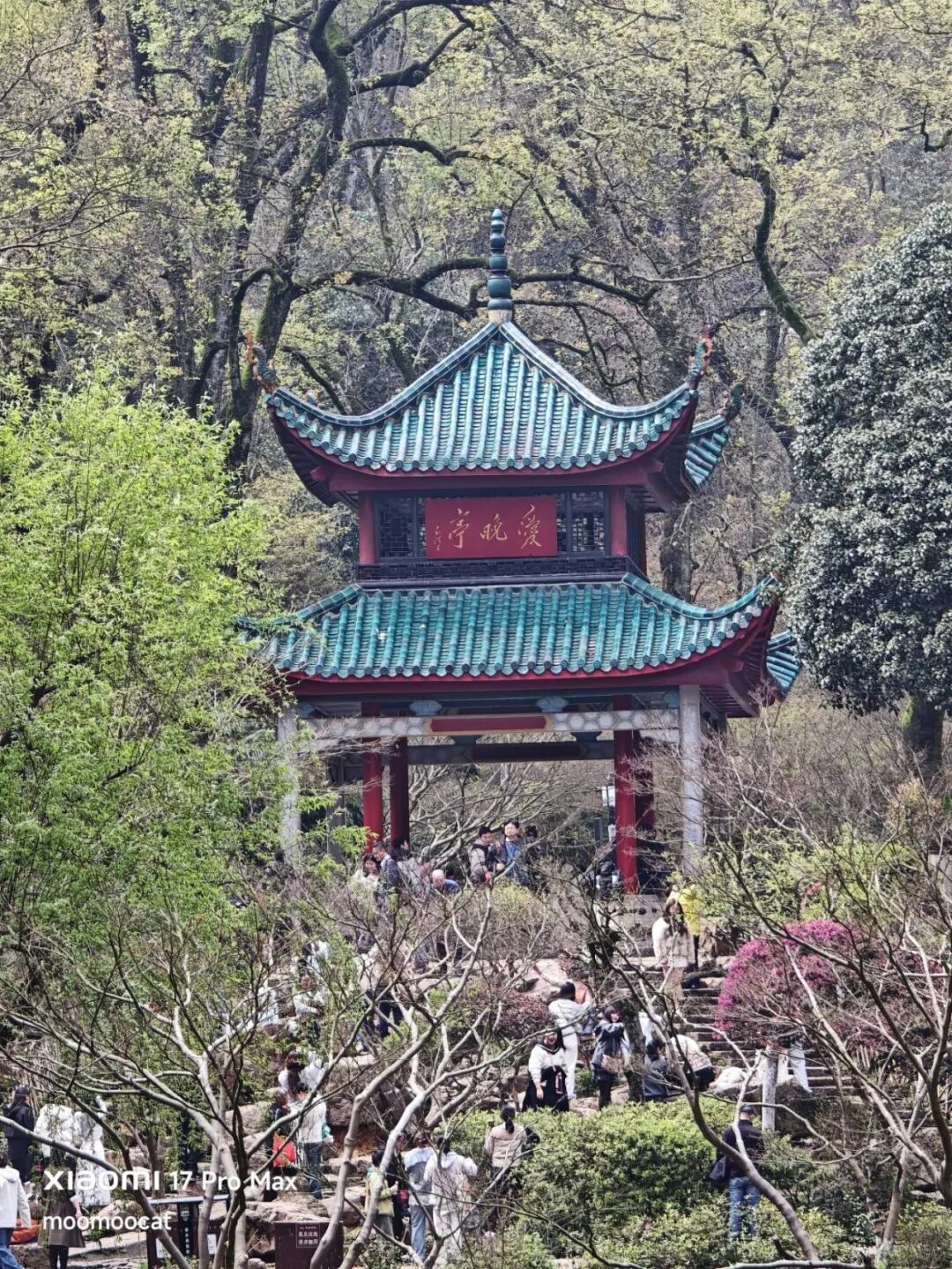
100 meters north of Yuelu Academy is Aiwan Pavilion, which is said to be named after the poem "Stopping the carriage to admire the maple forest at dusk". However, I checked and found that Du Mu, who wrote that poem, never came to Changsha. It was someone from the Qing Dynasty who built the pavilion and took the name to capitalize on the popularity of the city.
What makes this pavilion truly remarkable is that Runzhi often read books and met with friends there in his youth. Later, after becoming the founding leader of the People's Republic of China, he specially inscribed the name for Aiwan Pavilion. With this added significance, it no longer matters where Du Mu saw the maple leaves.
Actually, the pavilion itself isn't anything special. I saw that the passageway was a bit crowded with tourists. They didn't want to walk those 100 meters, so they just took a picture with their phones from a distance and considered it a check-in.
I went back to the hotel at noon, rested in the afternoon, and then went to the concert in the evening. I only visited these few attractions in Changsha. Xiaohongshu (a Chinese social media platform) recommended several places suitable for young people, mostly trendy commercial streets with food, drinks, and entertainment, but I wasn't really interested, so I skipped them.
Jolin Tsai is going to sing over 40 songs tonight, for a total of 3 hours. I definitely won't be able to get my turn. I'll just write this much for now and schedule it to be sent later. Please bear with me.
Oh, by the way, last night several netizens inexplicably left comments saying that Jolin Tsai is a pro-Taiwan independence supporter and that her performances should be boycotted. I don't know where you got these rumors from, but you should have common sense. The censorship of artists in mainland China is extremely strict. Besides obeying the law, they cannot make inappropriate or immoral statements, and their political stance must be correct. Only qualified artists who pass all these tests are approved to hold large-scale offline performances. I understand that several popular artists who have made mistakes haven't been officially banned; they can still update their Weibo and Douyin accounts, but their offline performances are no longer approved.
The fact that Jolin Tsai can hold a nationwide concert tour proves that she has no problems.
I'm getting ready to go out.
I rushed back and canceled the scheduled sending; there was still time to start the call.
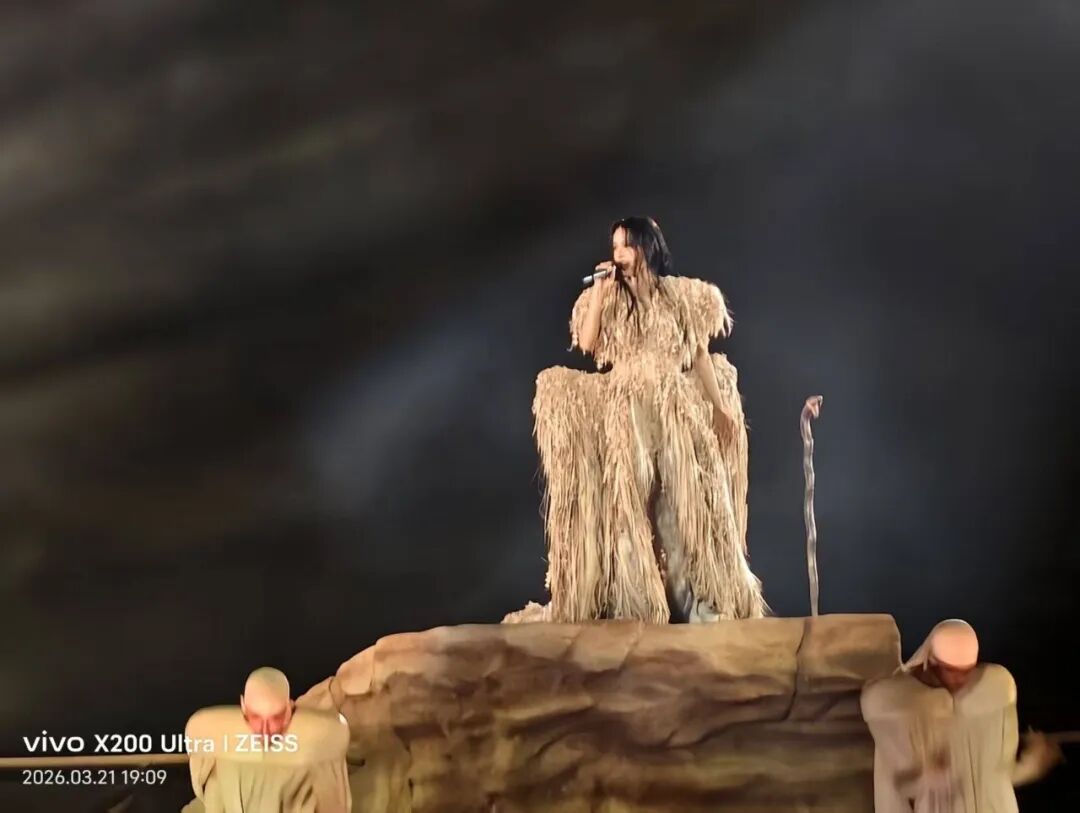
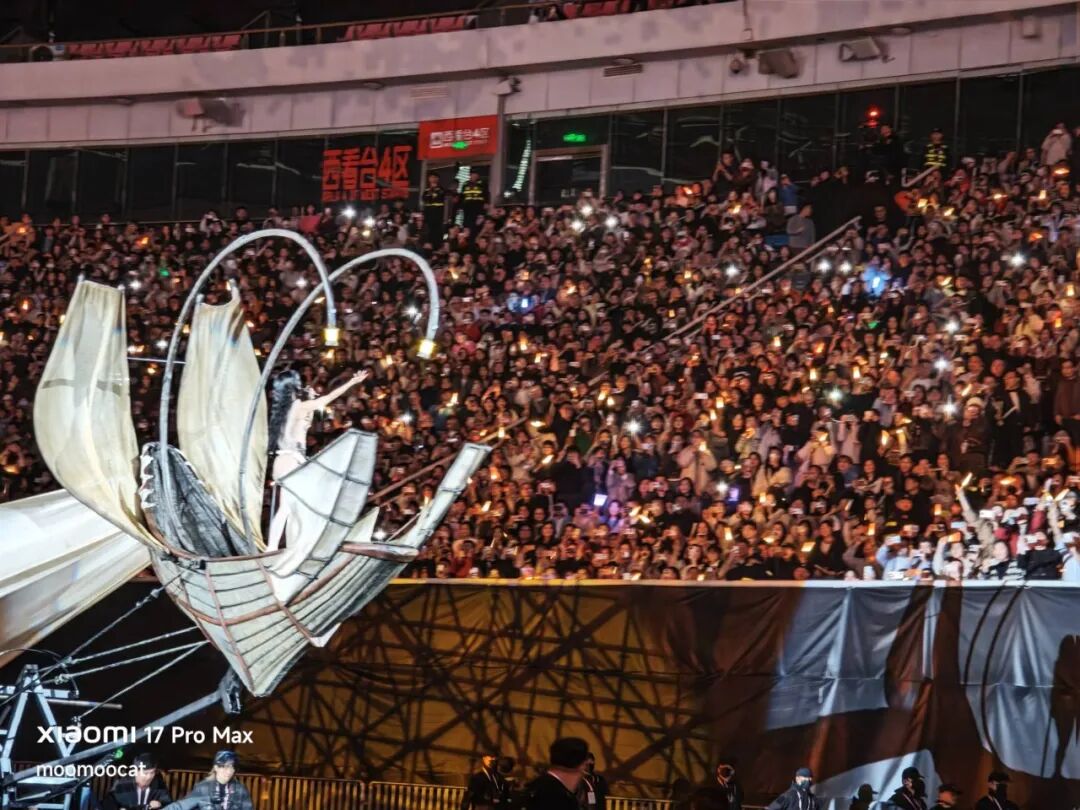
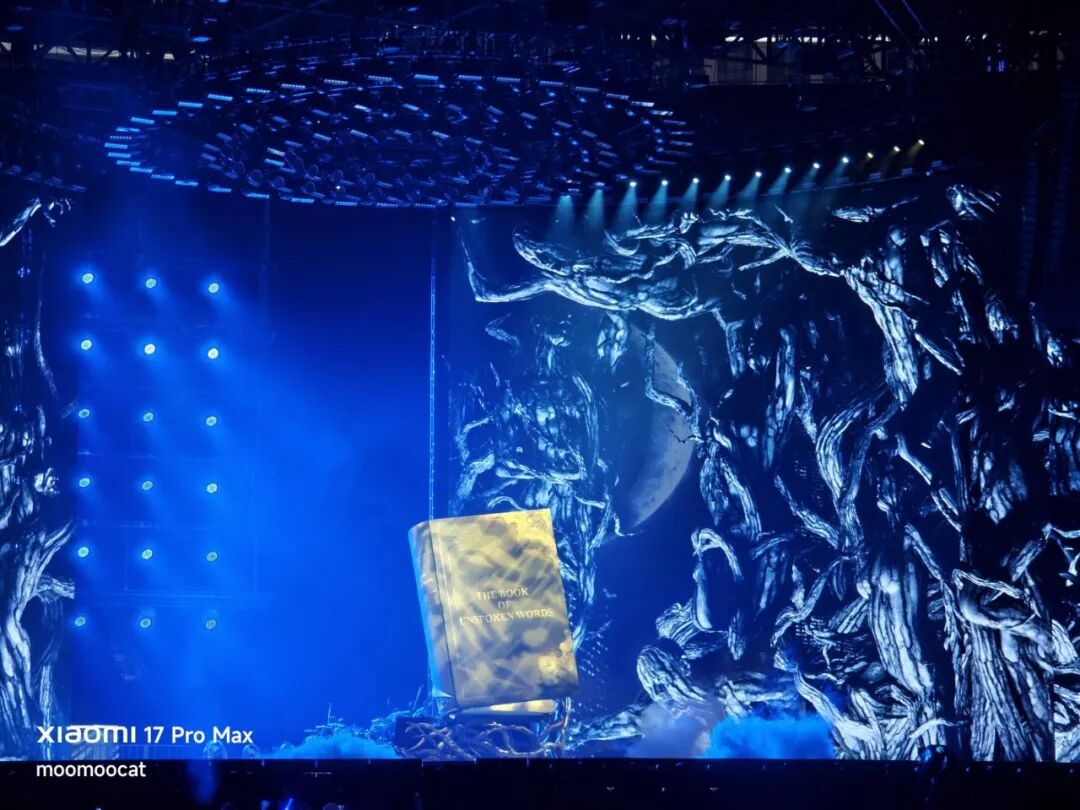
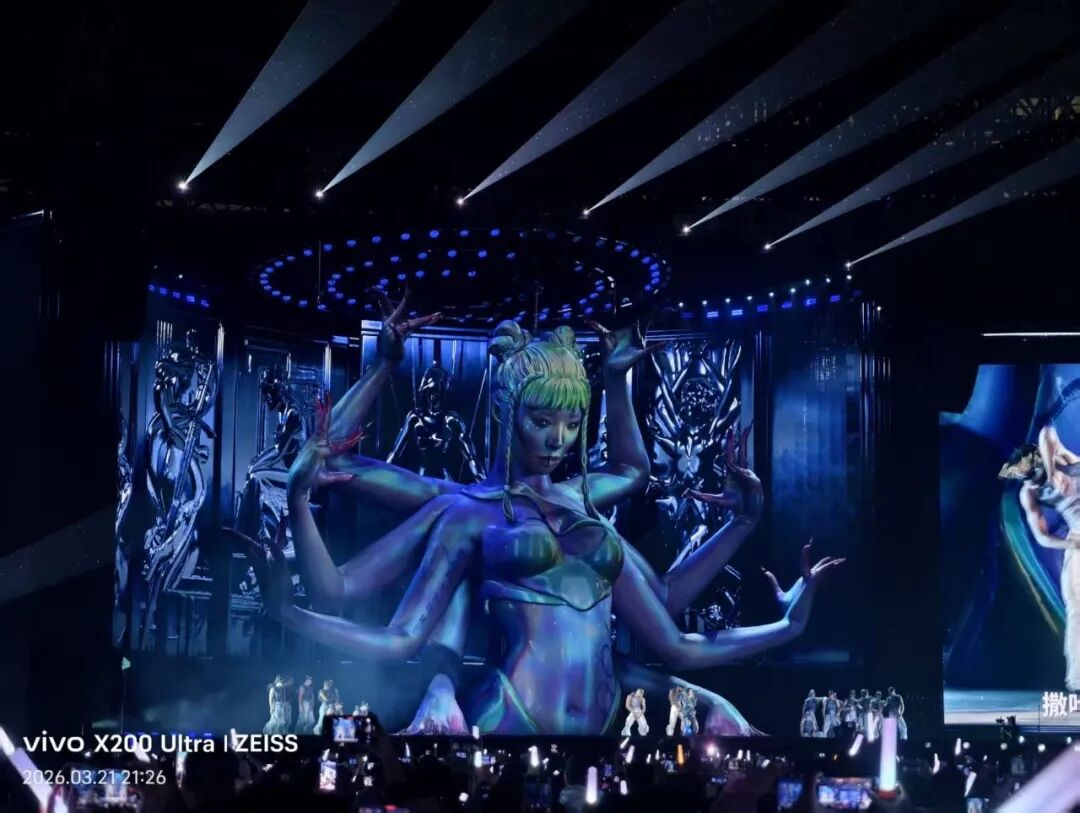
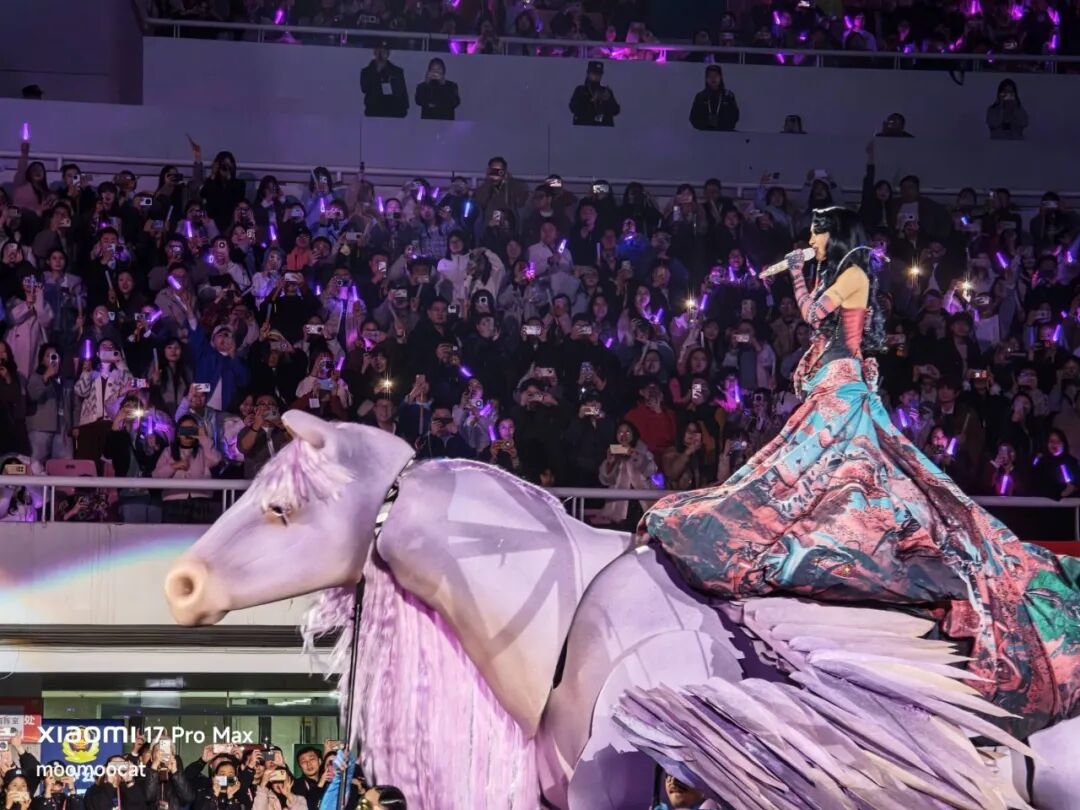
Jolin Tsai's concert was amazing! She sang and danced wonderfully, and the stage design was stunning. I've seen quite a few concerts over the years, but Jolin's is absolutely top-tier, a clear leader. What's most impressive is her vibrant stage presence, her dedicated performance, and her boundless energy. Keep in mind she's 45, a year older than me—she's so cool!
I looked through the photos I took on my phone today, and they were unremarkable and not worth sharing.
Yuelu Academy has a great reputation, but it falls short of expectations. You might not want to go, but once you do, it's disappointing – there's not much to see. Yuelu Academy suffered severe damage during the Anti-Japanese War; what visitors see today are cement buildings rebuilt in the 1980s. As for the inheritance of its cultural spirit, if you can feel it, then it exists; if not, then so be it.
A 40 yuan entrance fee isn't cheap for the average person, so social media is full of complaints calling it a worthless attraction. I'm offering an objective review, neither praising nor criticizing, so please lower your expectations before you decide to come.
100 meters north of Yuelu Academy is Aiwan Pavilion, which is said to be named after the poem "Stopping the carriage to admire the maple forest at dusk". However, I checked and found that Du Mu, who wrote that poem, never came to Changsha. It was someone from the Qing Dynasty who built the pavilion and took the name to capitalize on the popularity of the city.
What makes this pavilion truly remarkable is that Runzhi often read books and met with friends there in his youth. Later, after becoming the founding leader of the People's Republic of China, he specially inscribed the name for Aiwan Pavilion. With this added significance, it no longer matters where Du Mu saw the maple leaves.
Actually, the pavilion itself isn't anything special. I saw that the passageway was a bit crowded with tourists. They didn't want to walk those 100 meters, so they just took a picture with their phones from a distance and considered it a check-in.
I went back to the hotel at noon, rested in the afternoon, and then went to the concert in the evening. I only visited these few attractions in Changsha. Xiaohongshu (a Chinese social media platform) recommended several places suitable for young people, mostly trendy commercial streets with food, drinks, and entertainment, but I wasn't really interested, so I skipped them.
Jolin Tsai is going to sing over 40 songs tonight, for a total of 3 hours. I definitely won't be able to get my turn. I'll just write this much for now and schedule it to be sent later. Please bear with me.
Oh, by the way, last night several netizens inexplicably left comments saying that Jolin Tsai is a pro-Taiwan independence supporter and that her performances should be boycotted. I don't know where you got these rumors from, but you should have common sense. The censorship of artists in mainland China is extremely strict. Besides obeying the law, they cannot make inappropriate or immoral statements, and their political stance must be correct. Only qualified artists who pass all these tests are approved to hold large-scale offline performances. I understand that several popular artists who have made mistakes haven't been officially banned; they can still update their Weibo and Douyin accounts, but their offline performances are no longer approved.
The fact that Jolin Tsai can hold a nationwide concert tour proves that she has no problems.
I'm getting ready to go out.
I rushed back and canceled the scheduled sending; there was still time to start the call.
Jolin Tsai's concert was amazing! She sang and danced wonderfully, and the stage design was stunning. I've seen quite a few concerts over the years, but Jolin's is absolutely top-tier, a clear leader. What's most impressive is her vibrant stage presence, her dedicated performance, and her boundless energy. Keep in mind she's 45, a year older than me—she's so cool!
Original Article: View Chinese Version